Summary: Death is a biological certainty, yet most people avoid discussing it. This article explores the medi
Death is not a failure of medicine. It is a biological certainty. Every year, roughly 60 million people die worldwide—about one person every second. Yet most of us live as if it won't happen. I've watched hospice nurses talk about this disconnect. They say the dying rarely regret not working more. They regret not living more.What does it mean to die?Medically。
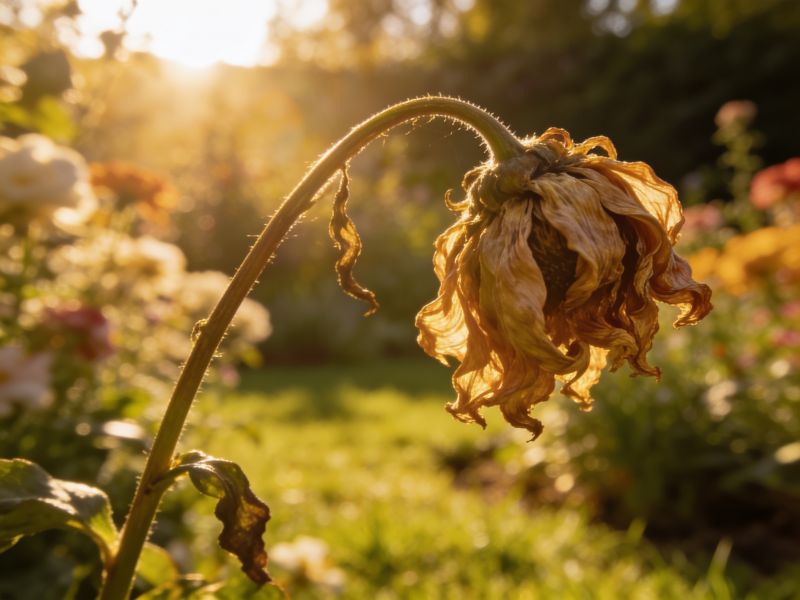
it's the irreversible cessation of circulatory and respiratory functions, or brain activity. But that definition feels sterile. A friend of mine, a paramedic, told me about a call he responded to: an elderly man found in his garden, hands still clutching a trowel. He'd died mid-planting. My friend said it was the most peaceful death he'd ever seen. No drama, no hospital lights—just soil under fingernails.We avoid the word. We say "passed away。" "lost," "no longer with us." That avoidance has costs. Studies show that people who plan for death—writing wills, discussing end-of-life care—actually experience less anxiety about it. The taboo doesn't protect us;it isolates us. I remember my grandmother refusing to talk about her funeral arrangements. After she died, we spent weeks guessing what she would have wanted. That guessing was harder than any conversation would have been.Different cultures handle death differently. In Mexico, Día de los Muertos celebrates the dead with food, music, and altars. In Bali。
bodies are cremated in elaborate ceremonies. In many Western countries, death is hidden behind hospital walls. None of these approaches is wrong, but they shape how we grieve. A Balinese friend once told me that watching his grandfather's cremation felt like a release. "We don't bury our sadness," he said. "We burn it and let the smoke rise." That image stuck with me.Death gives life its shape. Without it, choices wouldn't matter. You could always do it tomorrow. The fact that you can't—that's what makes today urgent. I'm not saying we should obsess over mortality. But pretending it's not there doesn't make it go away. It just makes us unprepared. So maybe the healthiest thing is to look at it directly. Not morbidly. Just honestly. Because the only way to die well is to live well, and the only way to live well is to remember that you will die.